Do SAT/ACT Scores Still Matter? Yes — But the Real Question Is How
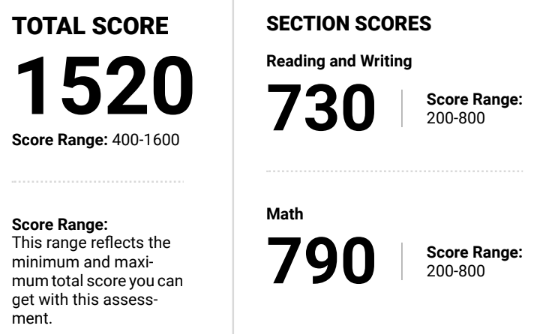
“Test-optional” is often taken at face value. Many students hear it and assume testing no longer plays a meaningful role, especially when they are already balancing coursework, activities, and early college planning.
At the most selective level, the situation is more specific.
Some institutions have moved back toward requiring standardized testing, while others continue to evaluate applicants in highly competitive pools under test-optional policies. Testing hasn’t disappeared—it has become something students need to approach more deliberately. We break down how these shifts are playing out across Ivy League and peer schools in our recent blog, “When Should You Start SAT/ACT Prep? Earlier Than It Feels Necessary.”
Most students applying to highly selective schools are already strong academically. Their transcripts are rigorous, their grades are solid, and their activities show depth. In that context, testing is not what determines admission—but it still plays a role in how the academic side of the application is read.
As Ivy Link founder and CEO Adam Nguyen, noted in Inside Higher Ed, grades and test scores at this level tend to function as a baseline rather than a differentiator. Strong scores do not set a student apart on their own, but they establish a reference point in a process where most other components are evaluated in context.
Meaning students are not always required to submit scores, but at the most selective level, applicants are generally expected to go beyond minimum requirements.
For that reason, many students choose to keep the option open—preparing and testing, then deciding whether a score adds value to their application.
Admissions at this level is not driven by a single factor, but by how different parts of an application come together. In a process that is largely contextual, having a standardized measure can still play a role in how a student’s academic readiness is understood.
If you are thinking through how testing should factor into your plan, this is the kind of decision that benefits from a more structured approach.
Workshop for Parents & Students: Navigating Standardized Testing in 2026
A focused session led by Cory Bragar, Ivy Link’s Director of Standardized Testing, on how families are approaching SAT vs ACT, how testing is currently evaluated in admissions, and what timing and preparation typically look like.
View available dates and register here: https://www.myivylink.com/workshops