Harvard Is Still the Dream—So What Does That Tell You?
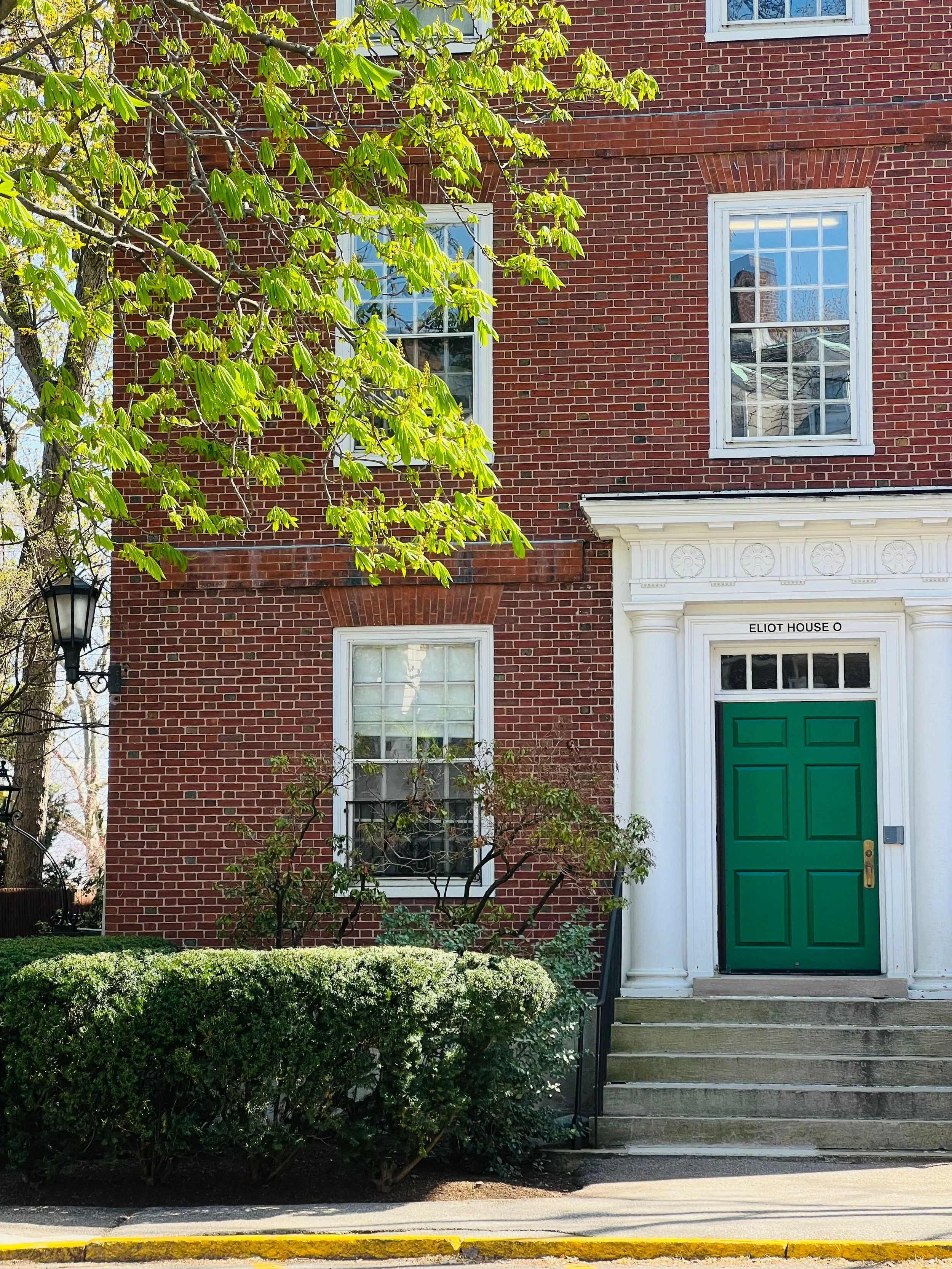
Despite rising cost and growing skepticism, Harvard University remains the most desired school among Gen Z. That is the signal. At a time when more than half of students question whether a college degree is worth the investment, and 35% of families cite debt as their primary concern, the conversation around college has clearly shifted toward cost, outcomes, and long-term return. But where students ultimately aim has not moved with it.
Recent admissions cycles reflect roughly 48,000 applicants competing for about 2,000 seats, an acceptance rate near 4%, down from approximately 9% less than two decades ago. Even as scrutiny has increased, demand has remained concentrated at the very top. The numbers do not suggest hesitation. They suggest consistency—an enduring concentration of interest around a small group of institutions, regardless of the broader narrative surrounding them.
In a recent feature in Fortune, Adam Nguyen points to a pattern that helps explain this. Even in a market increasingly focused on cost and return, institutions associated with prestige, signaling power, and long-term networks continue to anchor demand. For many families, this is not a four-year decision. It is evaluated over a longer horizon, where the value of a school extends into access, positioning, and the opportunities that follow well beyond graduation.
Within that context, the environment becomes more defined. A large number of applicants meet the academic standard required to be considered, often coming from similarly rigorous and competitive backgrounds. The constraint is not entry into the pool—it is selection from within it. And that selection is not determined by grades or scores alone. Admissions at this level are contextual, with a portion of each class shaped by institutional priorities—athletics, legacy, donor relationships, and other factors that are not always visible in how the process is presented.
The question, then, is no longer abstract.
If you are one of the students aiming for these schools, and you are competing in a pool where many look just as qualified on paper, and decisions are made within a system that is not entirely transparent—what would make you the one they choose?
Reach out to us to start that conversation.
For more of Adam Nguyen’s insights and recent features, you can explore Ivy Link in the press.