How Some Students Are Reaching Their Dream Schools — Outside Standard Admissions
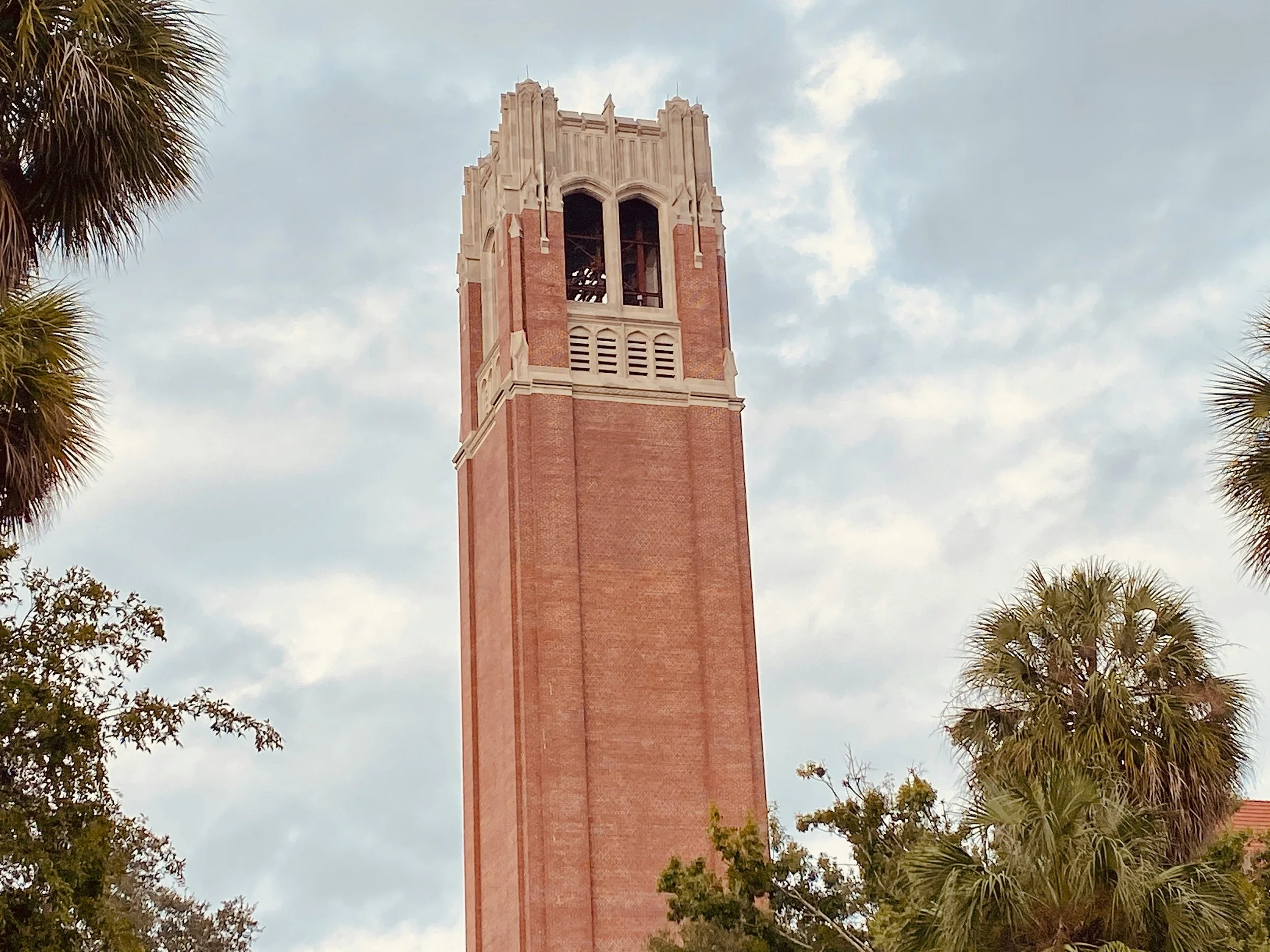
You probably think of college admissions as a single door — you apply, and the school decides. What's less visible is that most universities — including some of the most selective in the country — have been building other doors for years, and a growing number of students are walking through them. The Wall Street Journal examined this in June 2026: students enrolling at flagship universities like the University of Florida and Texas A&M through online programs and dual-enrollment partnerships — outside the standard admissions process — while fully participating in campus life, and in many cases working toward the same degree.
These programs don't exist because universities are being generous. They exist because they solve two institutional problems at once — universities can extend enrollment to students who narrowly missed the standard cutoff, collecting tuition and growing campus life, while the selectivity of their traditional admissions process stays intact. What looks like an access initiative is also, simultaneously, a revenue and reputation strategy. And it isn't limited to public universities. Harvard has its Extension School, through which students can enroll in courses on the Cambridge campus and pursue a bachelor's degree outside the College's standard admissions process. Columbia's School of General Studies enrolls non-traditional students in the same classes, with the same faculty, earning the same Columbia degree. Yale has its Eli Whitney Students Program for adults returning to education. The structure differs by institution, the student populations differ, and the credentials carry different designations — but the underlying pattern is consistent: universities at every level are managing enrollment in ways that go beyond the single admissions decision most applicants focus on.
If you want to approach admissions strategically — at any level of selectivity — the starting point is understanding how institutions make decisions, not just how to respond to them. That means knowing what a school is optimizing for, what pressures shape its admissions cycle, and where your profile creates genuine alignment with what it's building. If that's the conversation you want to have, we'd like to hear from you.
Read the full Wall Street Journal piece, featuring Ivy Link's perspective on this trend, here →