Why July Is the Time to Finish Your Personal Statement
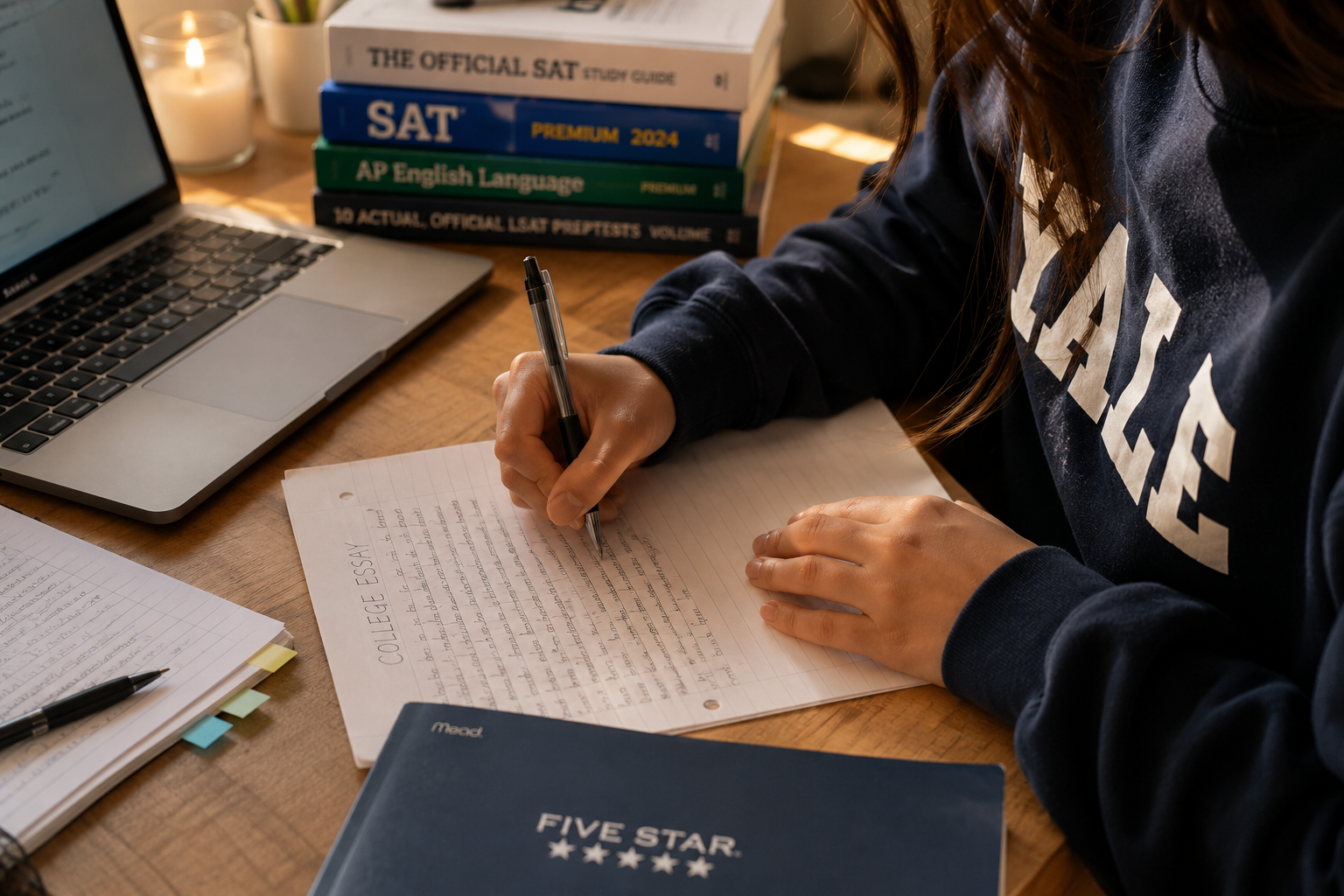
If you're a rising senior, two things happen on August 1: the Common App opens for the 2026–2027 cycle, and your summer stops being unstructured. Supplements go live, school fills your calendar back up, and your personal statement — the one piece every school on your list reads — starts competing for time with everything else. July is the only month it doesn't have to.
There's no reason to wait until August 1 to start. Log in today, pick your prompt, and write your first draft — Common App's account rollover carries your text forward automatically, and the seven prompts aren't changing this cycle either. Waiting until it's "official" doesn't protect you from anything. It just costs you time.
ED and EA deadlines land on November 1. Work backward: August and September go to supplemental essays, which means your personal statement needs to be substantially done before then. Draft in July, and you get a full revision cycle before any of that starts. Wait until September, and you're writing a first draft the same week supplements and recommendation letters are due — and it will show.
The bigger reason July works: every other part of your application says what you did. The personal statement is where a college learns who you are — and it only gets there once you've had enough distance from your own writing to cut the sentences performing for a college and keep the ones telling the truth. That takes weeks, not days. At Ivy Link, our students often start with their drafts well before July, some before summer even begins. Spring starters get months of that room, with space to throw out a draft entirely if a stronger story surfaces. July starters get one honest revision cycle. September starters get none — the first draft becomes the final draft by default, because November 1 doesn't move.
The same problem shows up if your draft leans on AI. The tell isn't bad grammar — AI drafts are clean and answer the prompt directly. The tell is what's missing: the detail only you could write, the ending that doesn't resolve too neatly, the line that surprises instead of confirms. Admissions readers notice generic writing fast, and a growing number of schools now run essays through AI-detection tools before anyone reads them. AI is fine for brainstorming. But if a draft started there, most of its language needs rewriting in your own voice before it's usable. The rule: if a sentence could describe any capable seventeen-year-old rather than you specifically, it isn't finished. And it won’t make you stand out, especially if you are aiming for highly selective schools. The best advantage you have now is time, and how wisely you use it may influence the outcomes.
If your draft isn't moving, an outside read now — while there's still time to use it — beats getting the same feedback in October. If your summer is already packed and finding open-ended time to draft on your own isn't realistic, Ivy Link's College App Fast-Track compresses that work into a focused two-week stretch of one-on-one sessions instead. Either way, contact us below before the fall rush starts.