Why Strong Students Struggle on the ISEE and SSAT
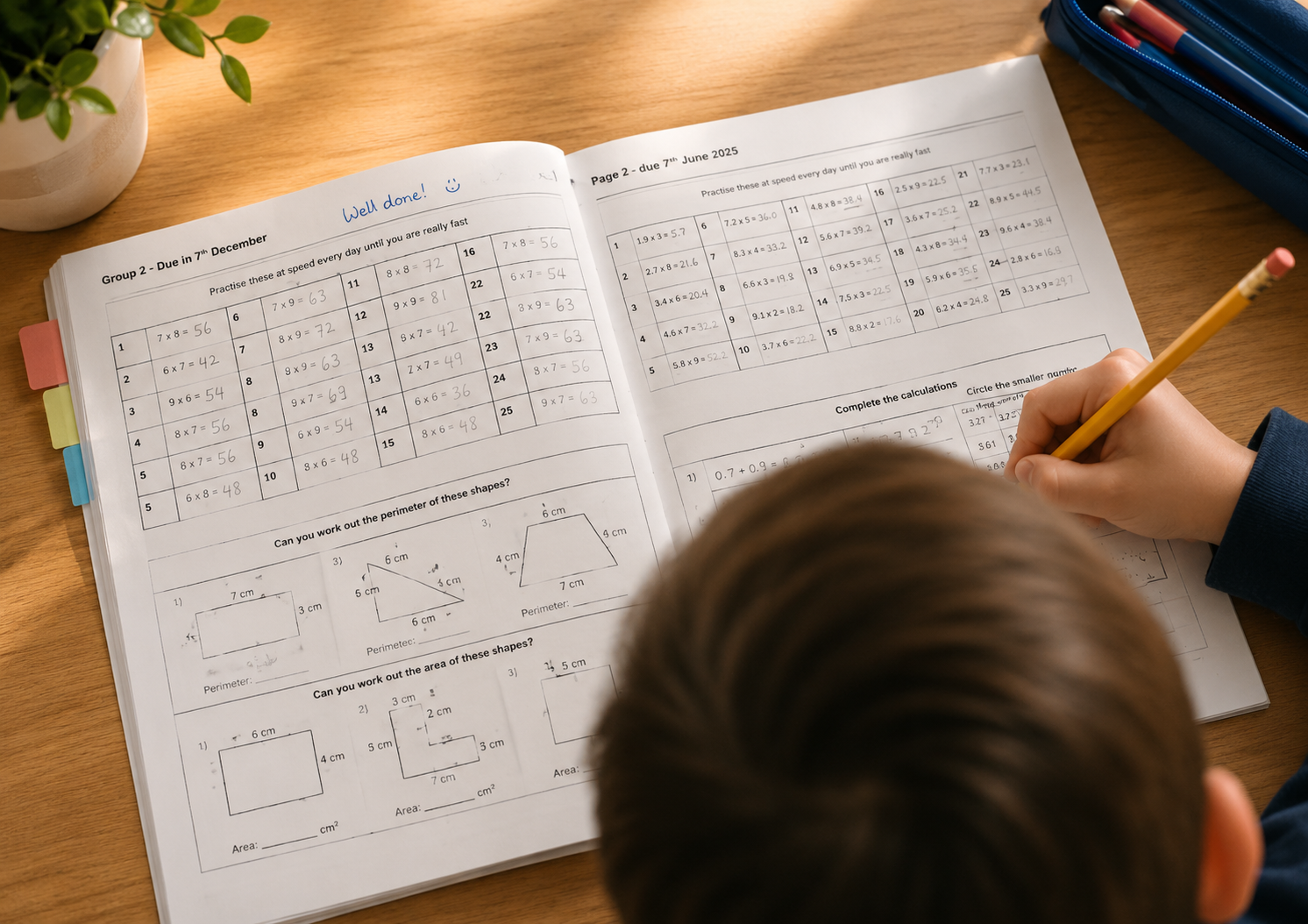
Families are often surprised when a student who is doing well in school performs lower than expected on an initial ISEE or SSAT diagnostic. A student may earn strong grades, stay on top of coursework, and perform well on classroom assessments. It is natural to expect that this success will carry over into admissions testing.
In many cases, it’s not just about ability but how these exams are structured.
The ISEE and SSAT evaluate students differently from school-based assessments. Rather than focusing only on material students have already learned, the exams measure reasoning, problem solving, and how students respond to unfamiliar question types—often in ways that differ from typical classroom assessments.
How the ISEE and SSAT Work
The ISEE, or Independent School Entrance Exam, is used by independent schools for admission into grades 2 through 12. It is administered at four levels:
Primary Level: Grades 1–3 applying to grades 2–4
Lower Level: Grades 4–5 applying to grades 5–6
Middle Level: Grades 6–7 applying to grades 7–8
Upper Level: Grade 8 and above applying to grades 9–12
The SSAT, or Secondary School Admission Test, is also widely used for private school admissions and is offered at three levels:
Elementary Level: Grades 3–4 applying to grades 4–5
Middle Level: Grades 5–7 applying to grades 6–8
Upper Level: Grades 8–11 applying to grades 9 through postgraduate year
Each testing level spans multiple grades, meaning younger and older students may take the same version of the test even though they are at different academic stages. While scores are interpreted relative to grade level, the questions themselves remain the same.
Because of this structure, students often encounter question types they have not yet practiced extensively in school. Even strong students may find an initial diagnostic test more difficult than expected.
Preparing With Less Stress
Preparation tends to work best when it is spread out over time rather than compressed close to application deadlines.
Many families begin exploring ISEE or SSAT preparation in the fall, when only a short window remains before testing. At that point, preparation can feel rushed for both students and families.
Ivy Link often recommends beginning with a diagnostic test in the spring, roughly nine months before private school applications are due. A diagnostic helps clarify readiness and identify areas where additional academic support may be helpful before formal test preparation begins.
Building skills gradually allows students to become more comfortable with both the material and the testing format. Over time, students also learn pacing, elimination strategies, and how to approach unfamiliar questions with greater confidence.
A Sample Preparation Timeline
While timelines vary, preparation often follows a progression such as:
March: Diagnostic ISEE or SSAT
March–June: Academic tutoring to strengthen foundations
June–October: Test preparation and timed practice exams
October/November: First official exam
December: Second official exam, if appropriate
Starting earlier provides flexibility and helps avoid unnecessary time pressure.
Strong classroom performance provides an important foundation. The ISEE and SSAT ask students to apply those skills in a different testing environment. When preparation includes both academic support and familiarity with the exam format, students are better positioned to show what they know.
Families considering ISEE or SSAT preparation often begin with a conversation about timing and readiness. Ivy Link works with students to develop individualized plans aligned with each student’s academic profile and admissions timeline.
For families navigating private day or boarding school admissions more broadly, Ivy Link also works with students on school selection, application planning, and interview preparation. Get in touch!